
Springfield Township City Directory Holdings
Springfield Township's best directory shelf sits in Toledo. The Local History and Genealogy Department at Toledo Lucas County Public Library holds the historical run, with books, microfilm, digital collections, maps, newspapers, and local records together. Find it on the third floor of the Main Library at 325 Michigan Street. The guide matters too. The library's house and building guide confirms the directory run. It also explains how to combine directory work with address and map research.
| Collection | Published coverage | Where held | Access method |
|---|---|---|---|
| Toledo directory series | 1858-1935 microfilm; 1936-present books | TLCPL Local History and Genealogy | In-person microfilm or book consultation. |
| Toledo Suburban Directories | 1957-present | TLCPL Local History and Genealogy | Later township and suburban starting point. |
| Polk's Toledo sample | 1860, 266 pages | Ohio Memory digital collection | Free online item for edition-specific inspection. |
| Hubbell's Blue Books | 1888-1910 | Ohio Memory and TLCPL guide | Keyword, name, or address searching. |
| Toledo Blade Obituary Index | 1837-present | TLCPL | Name, year, and address search with microfilm follow-up. |
A Springfield Township label names a collection, not a promise that every unincorporated township address appears in each edition. Ask staff about an edition's geographical reach first. Microfilm prints cost $0.15 per page. Scanners are available on site.
The TLCPL local history digital collections page is the online doorway. It leads to directories, maps, cemetery material, newspapers, manuscripts, school records, organizational files, and regional history books.
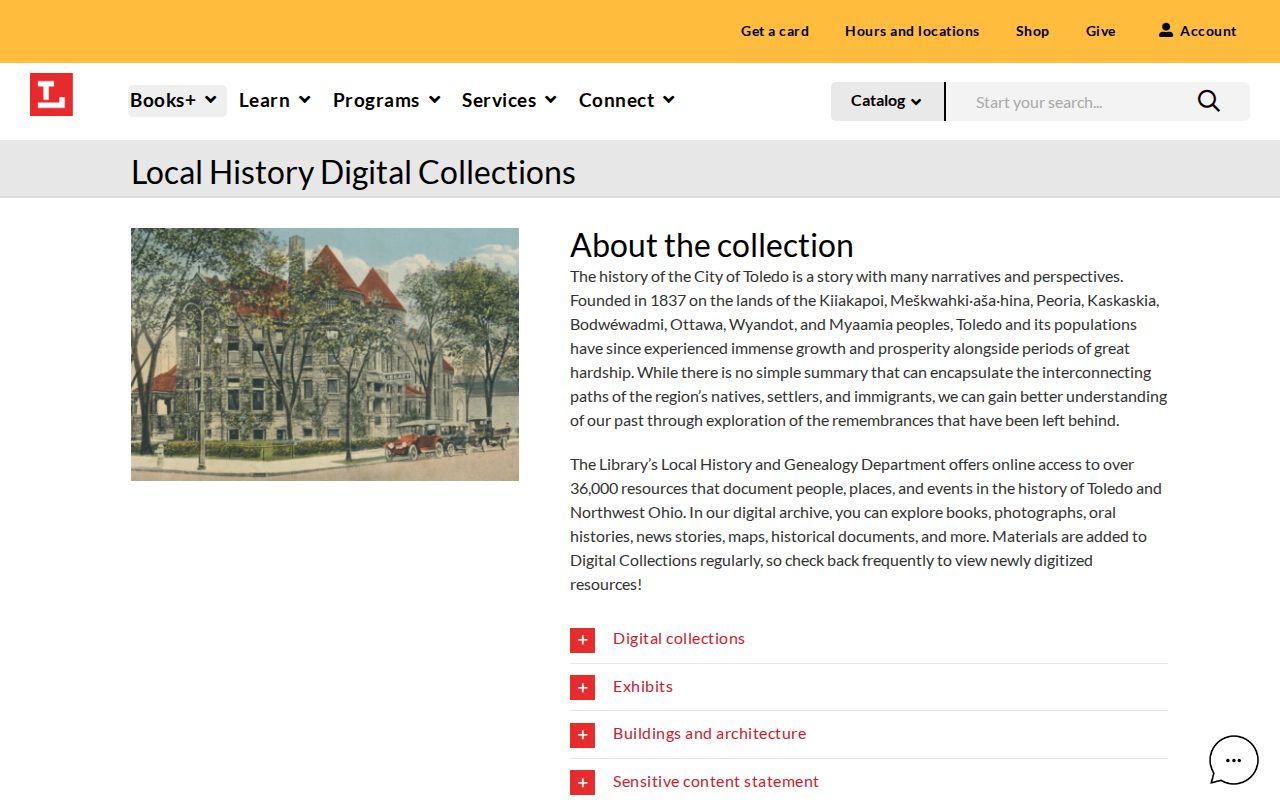
The collection page helps find an online Springfield Township item. For physical directory runs and microfilm, the Local History desk remains the fallback.
Use Toledo Volumes for Springfield Township
A Toledo spine does not shut out Springfield Township. The township has traveled under several mailing and locality identities. These include Holland, Maumee, Monclova, Sylvania, and Toledo. The Suburban Directories, 1957 forward, matter most for later years. For earlier decades, start with a surname in the Toledo run. Then try that edition's address section.
The library collection page lists volumes from 1858 forward. Format matters: the 1858-1935 portion sits on microfilm, while 1936-present editions are books. Early volumes can also list churches, organizations, and companies. Treat those as secondary leads. Record the edition year, page, spelling, and locality wording in your notes. A later record should never overwrite how an older volume described a place.
The digitized directories at Ohio Memory show how online access can extend the shelf work.
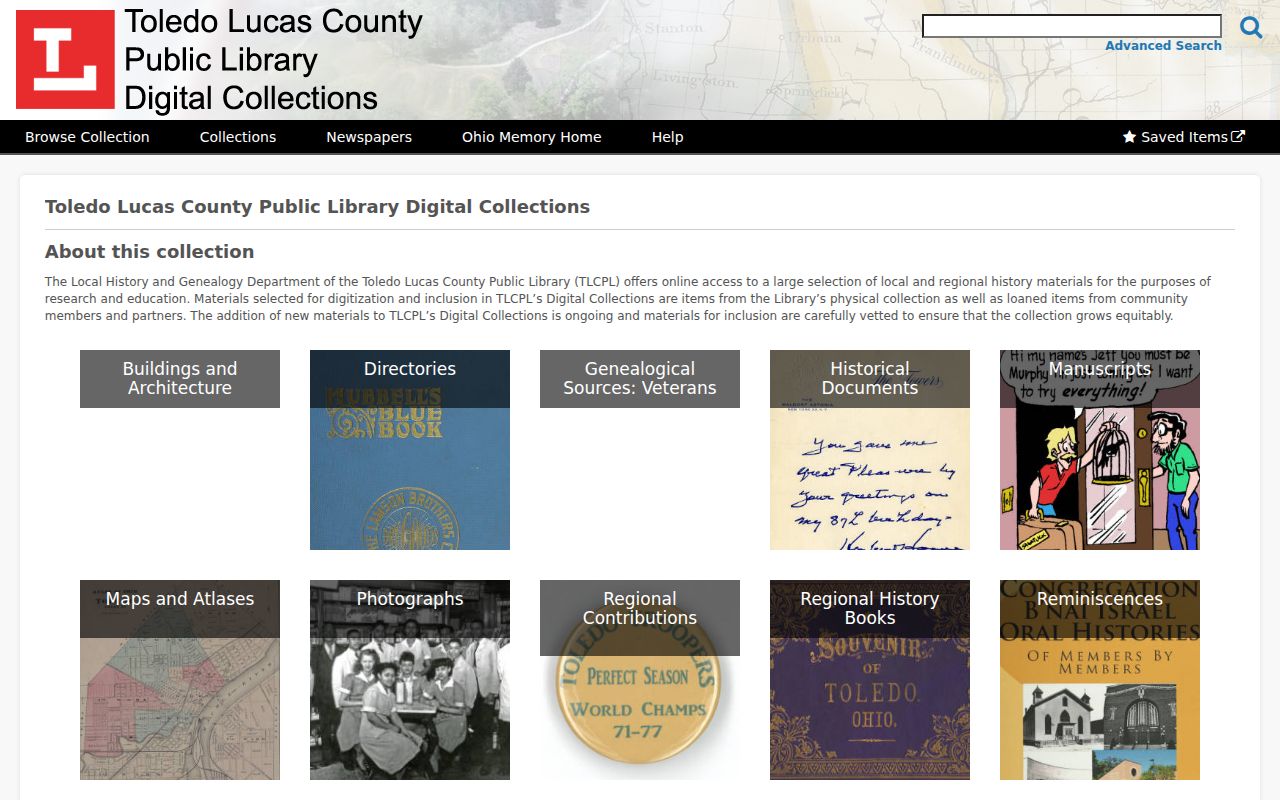
Digitized volumes suit searching and reading. For an exact year or locality, though, a physical edition may still be required.
Read a Springfield Township City Directory Entry
A Springfield Township directory entry is a compact, dated listing. The 1860 Polk volume opens with a surname, then a given name or initials. A Mrs. notation may follow. A shortened role and a residence or lodging location can come next. Some lines add a firm or second business address. Not every part appears in every line. Street wording may add a direction or a between-cross-streets phrase. Abbreviations shift between editions. Trust the volume's own key.
Work each result line by line. Separate the name from the address. Then separate a residence notation from any second business address. Search name variants in nearby years rather than merging two same-surname entries. An entry fixes one name and address in one edition. It does not prove ownership, an uninterrupted stay, or identity.
| Personal name | Surname with given name or initials, sometimes a Mrs. form. Record spelling exactly and test variants in adjacent editions. |
|---|---|
| Role notation | A shortened description that can help distinguish candidates, but should not be treated as a complete life history. |
| Residence or lodging | A numbered street, directional location, or boarding reference. Compare it with the same edition's street index. |
| Firm or organization note | A possible association or separate business address. Keep it apart from the residence address. |
| Street-position wording | A direction or cross-street phrase that should be checked against a map from the directory year. |
The digitized 1860 Polk directory is the source for the sample-entry inspection.
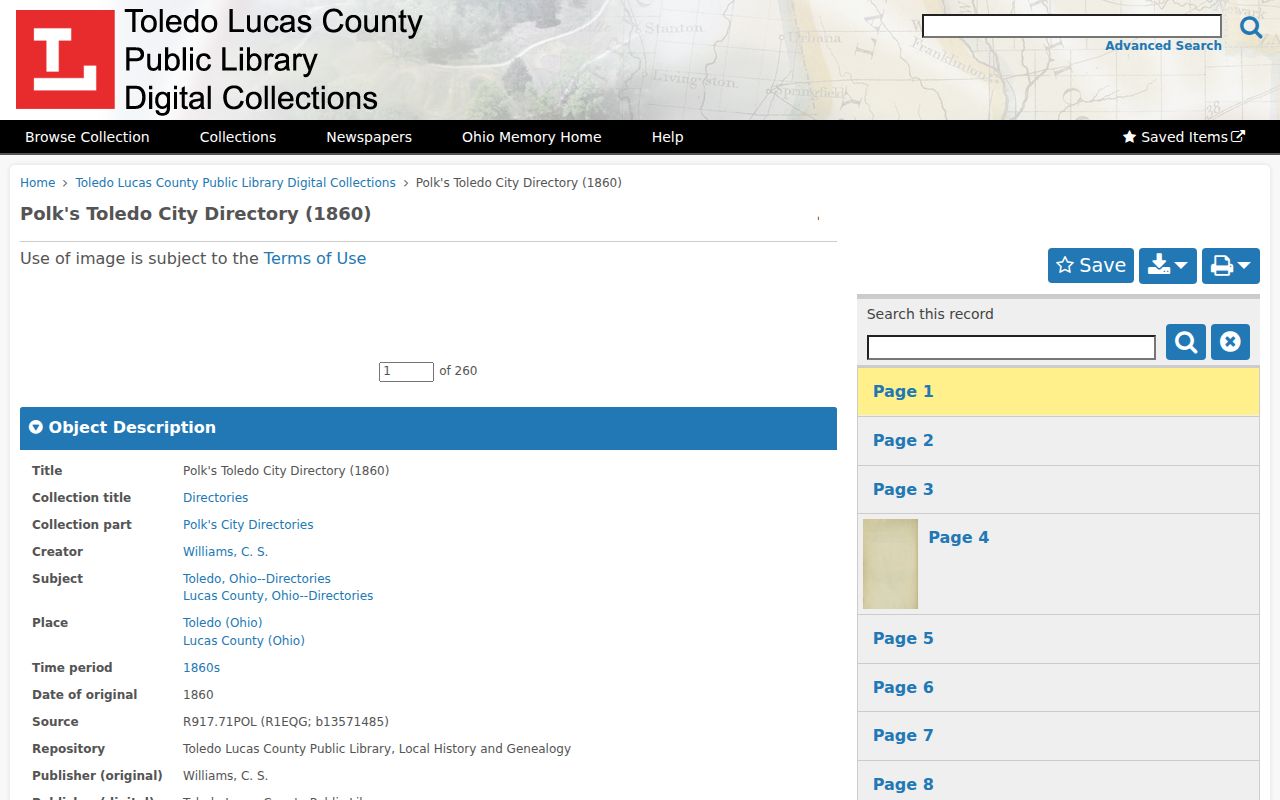
The sample entry shows why a copied page image, edition year, and page citation beat reconstruction from memory. Abbreviations expanded from memory drift.
- Street-address index
- The alphabetical street and address portion documented for city directories from 1910 forward, used to move from an address to a dated listing.
- Alphabetical entry
- The name-based portion of a directory. It is the cross-check for an address listing and spelling variant.
- Edition key
- The explanatory material in a particular volume that gives context for its abbreviations and layout.
Search Springfield Township City Directory Addresses
Address-first research works best from 1910 forward. TLCPL describes street and address indexing beginning that year. Find the street or address in that section, copy the name and notation beside it, then move to the same edition's alphabetical listing. Compare numbering, spelling, and any secondary address first. Only then look at the next year. That two-part check beats treating one name match as a finished answer.
For later decades, pair the volumes with the 1957-present suburban run. Hard-to-match addresses have better bridges. An edition-year map and the parcel's legal description give continuity when street numbers and delivery names shift. Current parcel work belongs with the Springfield Township street directory, which handles the Recorder chain.
Library access goes beyond a screen. The Local History department holds physical directories, microfilmed newspapers, local government records, yearbooks, church records, and cemetery material. Its name index covers more than 100,000 names. Staff procedures and preservation conditions vary by collection, especially in the Blade Rare Book Room.
The Local History and Genealogy holdings list is the source for directory and in-person collection details. Check it before visiting. It shows what the shelves actually hold.
Bring the address, any surname spellings, and rough years. Staff can then route the request to the right shelf or reel once the preferred format is known.
Trace Springfield Township Directory Households
Directory volumes rarely agree. That is fine for household research. Run the surname and address across several Springfield Township editions, letting each volume speak for itself. Anchor the trail in a verified parcel clue first. A changed first name, a new spouse notation, or a shifted street number can point to a move, a different person, or merely a new style of listing. Hold that ambiguity open until a second source resolves it.
- Write down the address, street spelling, parcel clue if known, and the first directory edition that may fit the time period.
- Search the surname in the alphabetical section and, after 1910, search the corresponding street-address index.
- Record the edition year, page, full entry text, number, and every spelling variant before moving to the next available year.
- Pair the directory time band with federal census material, where publicly released, and with an obituary, probate, cemetery, or newspaper lead only when it matches the same person and place.
- Reconcile the resulting address trail with maps and recorded property material. A directory listing, tax owner, mailing recipient, and parcel situs can differ.
Census records pair well with directories. HeritageQuest, through the documented library route, reaches federal census material from 1790 through 1940. Newer releases follow the federal schedule. Set a Springfield Township directory beside the census. Choose the same year or an adjacent year for the cleanest match. The TLCPL house-history guide also points to FamilySearch materials. Those records cover Toledo and Lucas County births, marriages, and deaths. Access to that service depends on its own conditions.
Note: A disappearance from a directory can reflect a move, death, different spelling, changed address, or incomplete edition coverage, not one automatic conclusion.
Pair Springfield Township Directory Listings With Obituaries
The obituary trail runs beside the directory trail. The Toledo Blade Obituary Index searches by name, year of death, and address. TLCPL suggests a surname plus a first name or initial rather than filling every field. At the department, each index entry points to the microfilm roll holding the notice. Treat a returned item as a lead only. Reading the original microfilm or scan still matters.
The library's house-history route reaches well beyond directories. It ties them to Auditor photographs, block cards, recorded documents, Ohio Historic Inventory forms, maps, atlases, Sanborn maps, obituaries, and the card name index. Auditor images run roughly 1937 through 1965. Sanborn coverage spans 1882 through 1962 where mapped. That material explains a street layout or a building's context. It cannot establish a person from a building image alone.
The Toledo Blade Obituary Index is the library's official search route.
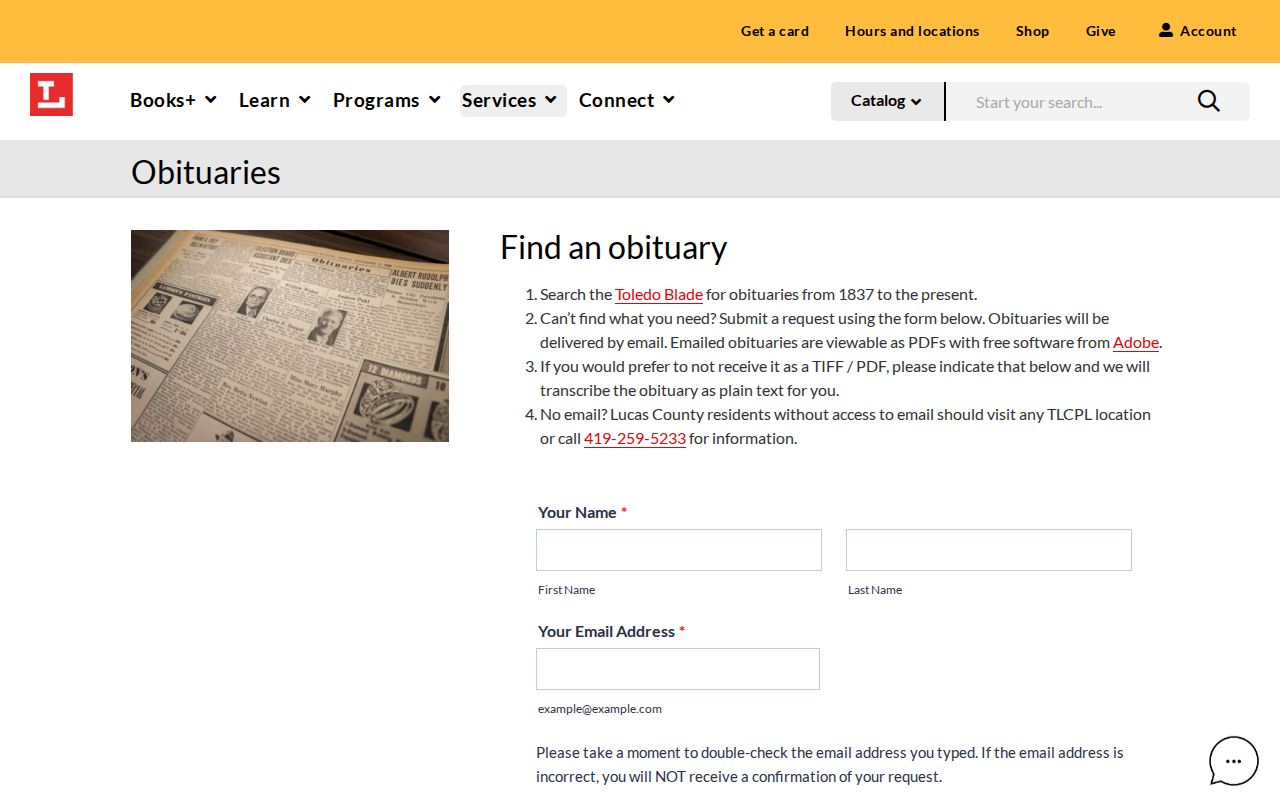
Ohio residents get the service free. Others pay $3 per obituary, and the library's scan or email option returns within a few business days under the collection's current process.
Find Springfield Township Through Historic Names
Old locality names shape every Springfield Township directory search. Lucas County dates to 1835, and Springfield formed from Waynesfield a year later. The township's historical account records an 1839 addition, territory tied to Monclova in 1853, and the formation of Adams Township in 1856. Someone indexed under Springfield in 1850 may therefore appear under Waynesfield or Monclova a decade later. The geography moved, not the person. It is an indexing issue, not a disappearance.
Search the locality words Springfield, Waynesfield, Monclova, Adams Township, Drakes, Hardy, and Holland Station beside the surname, address, railroad clue, church, or organization. The historical narrative leans on station labels as much as township names. Search stations as well as townships. Record the printed locality and date from each source. Recasting an old name buries its catalog entry.
Maps add dated context to any directory line. The Historic Toledo maps and photographs collection helps here.
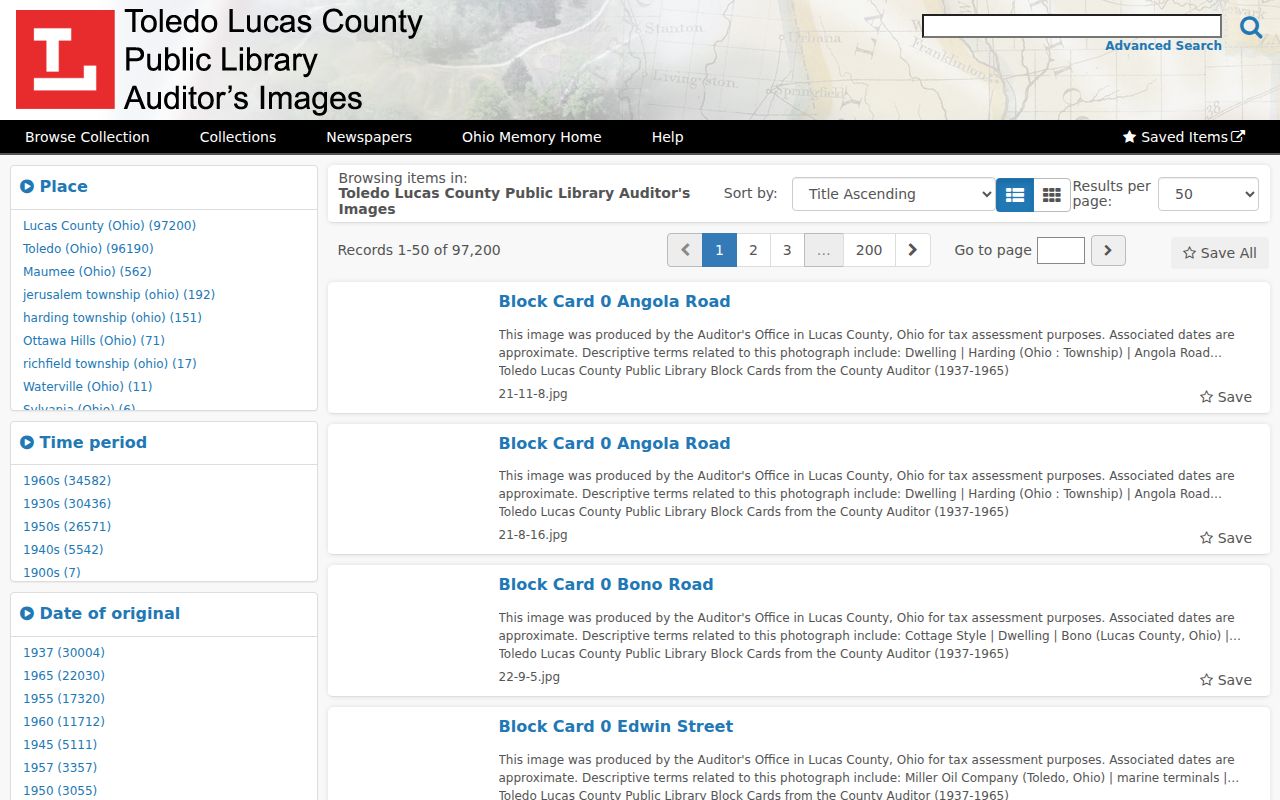
Map and photograph collections give a directory line dated context. That matters most when a street number or local label changes over time.
Consult Springfield Township History Desks
The library is the strongest first desk for Springfield Township historical volumes, newspapers, maps, and local history. It is not the only channel. The Holland-Springfield-Spencer Historical Society focuses on local places, families, and events. It maintains a museum at 7154 Front Street in Holland. The society publishes no complete searchable catalog online. A written request should therefore state the person-name variants, place, approximate years, and record type rather than asking for an open-ended search.
Other documented routes include the Lucas County Chapter of the Ohio Genealogical Society for research-community support. The University of Toledo Canaday Center offers collection-level finding aids. The Diocese of Toledo Sacramental Records Archive handles staff- or parish-mediated church-microfilm inquiries. The Diocese's published policy covers parish microfilm from parish inception through 2001. Its listed costs are $10 for a full-notation sacramental record and $20 for genealogy information without a certificate. Access rules vary by collection.
Match the source to the question. A staff answer that nothing turns up in an online catalog is not proof of absence. It is not proof that all related material is absent. Ask for a collection guide, the in-person procedure, or a bounded lookup route. Date each reply in your notes.
Note: Springfield Township has no official searchable historical telephone-book run and no official digitized township school-yearbook run.